Photography Styles
Types of Wedding Photography Styles
The major photography styles you'll come across while planning your wedding, explained simply so you can talk to your photographer with confidence.
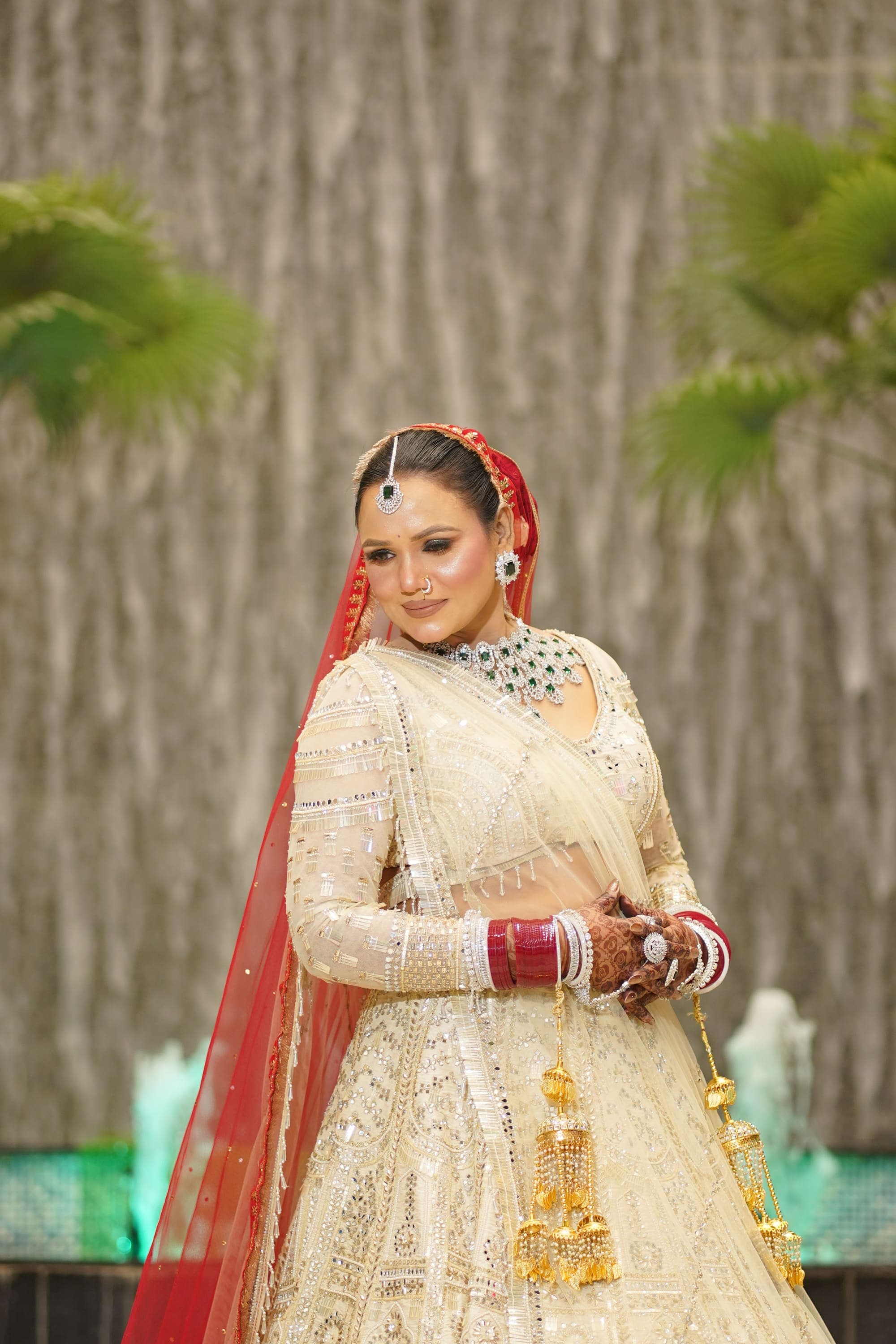
Portrait photography
Portrait photography is deliberately posed and lit to flatter the subject — think solo bridal portraits or groom portraits with careful attention to lighting, expression, and background. It's slower and more directed than candid work, built around getting one or two truly striking frames rather than covering an entire event.
Documentary / photojournalistic photography
This is the foundation of what most people now call "candid" wedding photography — the photographer observes and records events as they unfold, without staging them. The goal is an honest visual record of the day, not a curated set of poses.
Cinematic photography
Cinematic style borrows techniques from film — dramatic lighting, wide establishing shots, careful color grading — and applies them to still photography. It's often paired with cinematic videography for a consistent visual language across photos and film.
Detail and macro photography
Close-up shots of rings, jewelry, invitation cards, mehendi patterns, and outfit details round out a wedding gallery. These shots are easy to overlook when planning but are often some of the most-treasured images later, since they capture textures and objects that don't survive as physical keepsakes.
Why this matters when you're booking
Most professional wedding coverage blends several of these styles across a single day rather than picking just one. When reviewing a photographer's portfolio, look for evidence of range — strong portraits, genuine candid moments, and thoughtful detail shots — rather than a gallery that's entirely one style.